

Old Town to Charles Bridge: Prague's Most Historic Walk
A leisurely 3.2 km riverside stroll through Prague's most iconic medieval district. Discover centuries of architecture, hidden courtyards, and the charm that makes this walk unforgettable for anyone seeking culture and beauty.
Why This Walk Matters
Walking from Old Town Square to Charles Bridge isn't just a route. It's a journey through time. You'll see where merchants traded 700 years ago, where famous composers once lived, and where locals still gather in cafes exactly as they did decades past.
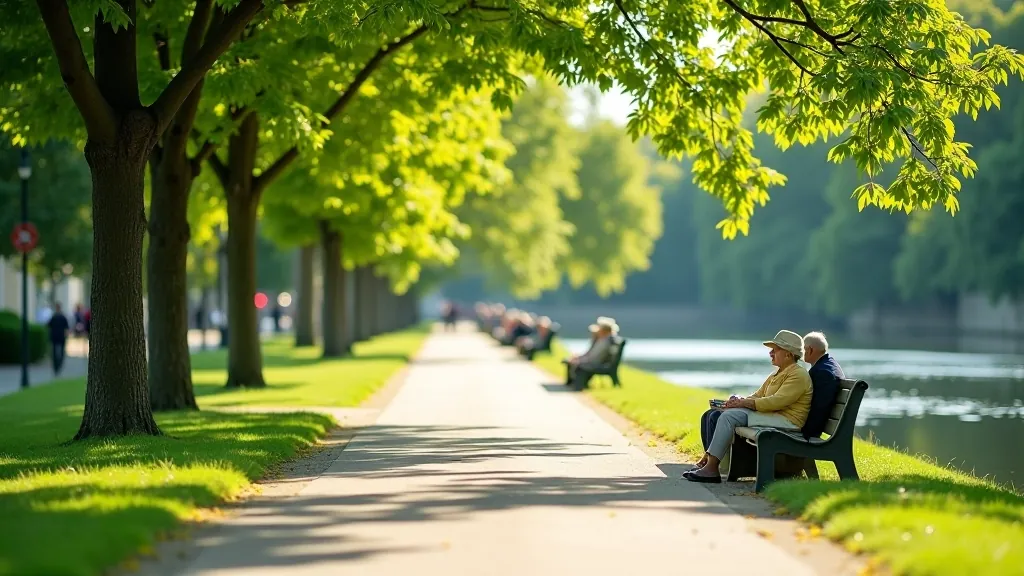
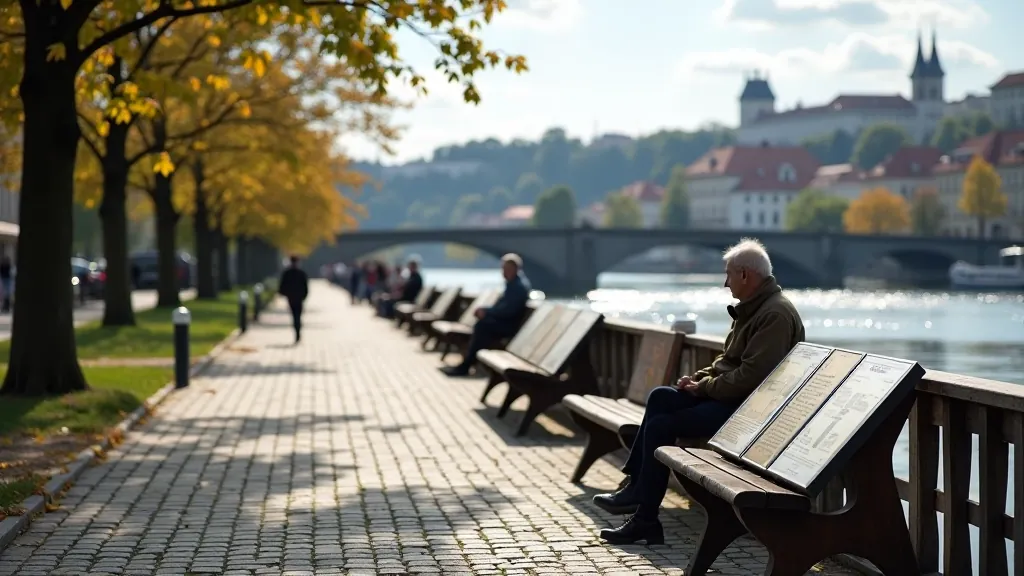
The whole route takes about 45 minutes at a comfortable pace — no rushing. There's plenty of time to stop, rest on benches, and really absorb what you're seeing. The paths are flat and well-maintained, making this accessible for most fitness levels.
Plus, you'll discover spots that most tourists miss entirely. While crowds gather at the bridge itself, you'll know the quiet side streets, the best photo angles, and where to find genuine Prague.
Distance
3.2 kilometers
Duration
45-60 minutes
Difficulty
Very Easy
Starting at Old Town Square
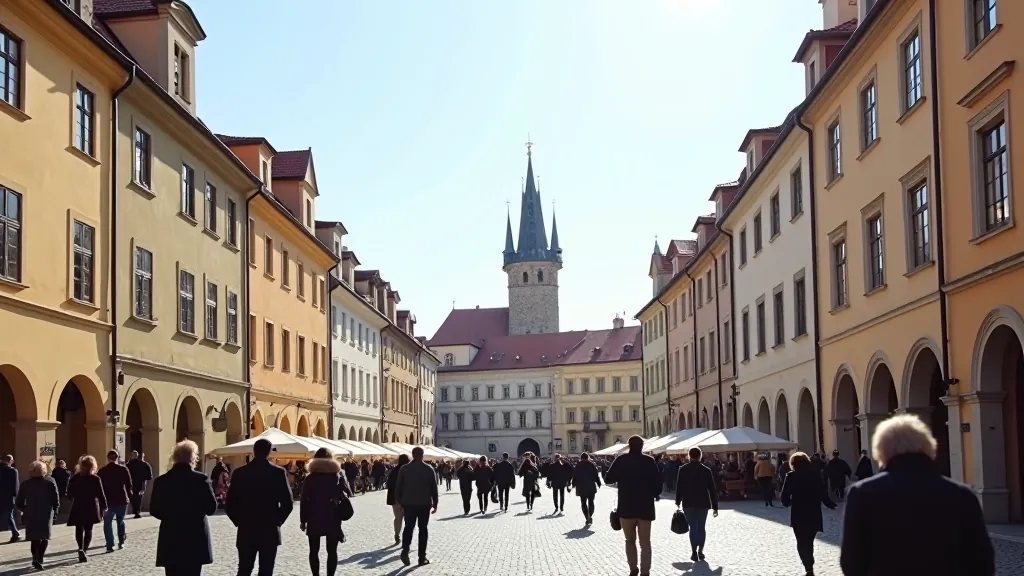
Old Town Square is where everything begins. You'll arrive to find the Astronomical Clock — that incredible medieval mechanism that's been marking time since 1410. It's not just a clock; it's a symbol of Prague's scientific heritage.
The square itself is surrounded by colorful Gothic and Renaissance buildings. Don't rush through here. Sit at one of the cafes facing the square. Order a coffee or tea. Watch how the light hits the facades as it changes throughout the day.
You'll notice the Church of Our Lady before Týn with its distinctive twin spires. Locals call it the "church with the dragon" because of the golden dragon on the roof. Look up — there's so much detail in the stonework that most people miss on their first visit.
"The square isn't just beautiful — it's alive with history. Every corner tells a story if you take time to notice."
Exploring the Hidden Streets
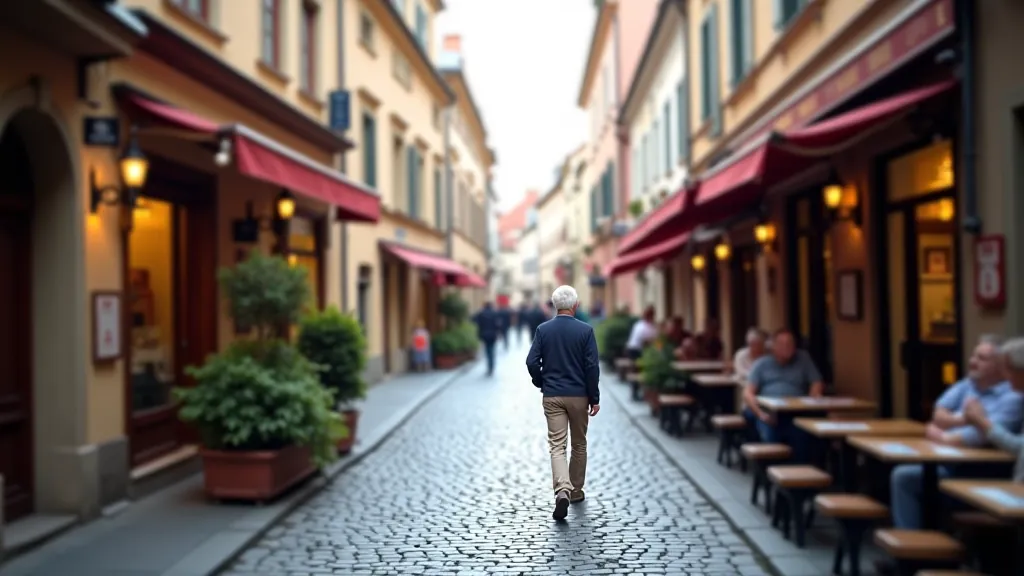
From the square, head toward Charles Bridge by walking through the winding streets. Don't follow the obvious main route. Instead, turn into the smaller lanes. This is where Prague really shows itself.
You'll pass tiny bookshops, galleries, and cafes tucked into buildings that are 400+ years old. The streets are narrow — sometimes only 4 meters wide — which keeps them cool even on hot days. It's genuinely pleasant to walk here.
Stop at Nerudova Street if you want to see traditional Prague houses with their ornate gates and courtyards. Many still have their original Renaissance decorations. The street slopes gently downward, so you're not climbing — just naturally descending toward the river.
Before You Go
This guide provides general information about walking routes in Prague for leisure and educational purposes. Always check current weather conditions, wear appropriate footwear, and bring water. If you have mobility concerns or health conditions, consult your doctor before undertaking any walk. Routes and conditions may change — verify current status locally before visiting. This information is accurate as of May 2026 but is subject to change.
Arriving at Charles Bridge
Charles Bridge itself is a masterpiece of medieval engineering. Built in 1357, it's 516 meters long and spans the Vltava River with 16 arches. But here's what makes it special: it's lined with statues.
There are 30 statues along the bridge — some original, some replicas. Each one has a story. Saint John of Nepomuk is the most famous. People touch the relief beneath his statue for good luck. You'll see worn spots from centuries of hands doing exactly that.
Walk slowly. Stop at different points. Look down at the river. Look up at the bridge towers. Early morning is genuinely the best time — fewer crowds, better light for photos, and you can actually hear the water below.


Make This Walk Your Own
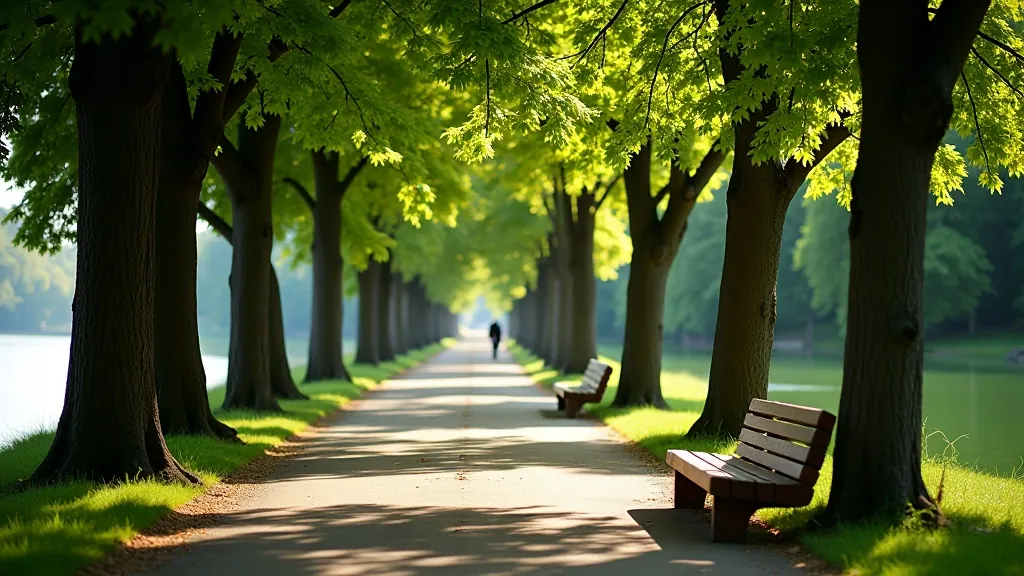
This route works best when you don't rush it. Stop whenever something catches your eye. Chat with other walkers. Sit and watch the world go by. That's when Prague reveals itself most completely.
The route is accessible year-round. Spring brings blossoms and mild temperatures. Summer offers long daylight hours for evening walks. Autumn creates golden light and fewer crowds. Even winter has its charm — the bridge is magical with fresh snow.
Wear comfortable shoes. Bring water. Go early if crowds bother you. And remember — you're not just walking to see a bridge. You're walking through centuries of European history. That's worth savoring every step.
Browse All Walks