
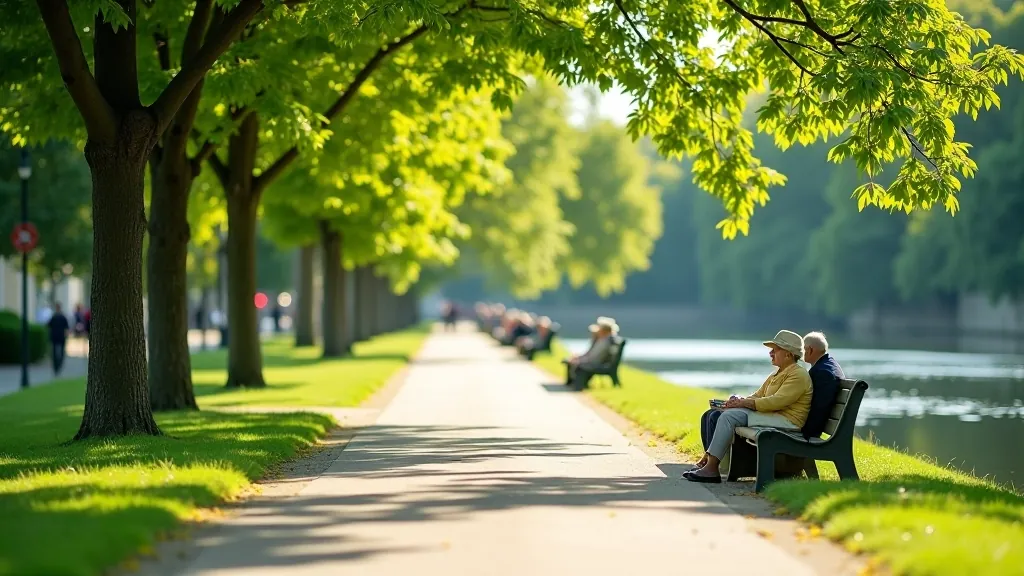
Kampa Island Loop: A Gentle Stroll Through History
A relaxed 2.5 km walk around one of Prague's most charming islands. Plenty of benches, water views, and genuine peace.
Read Article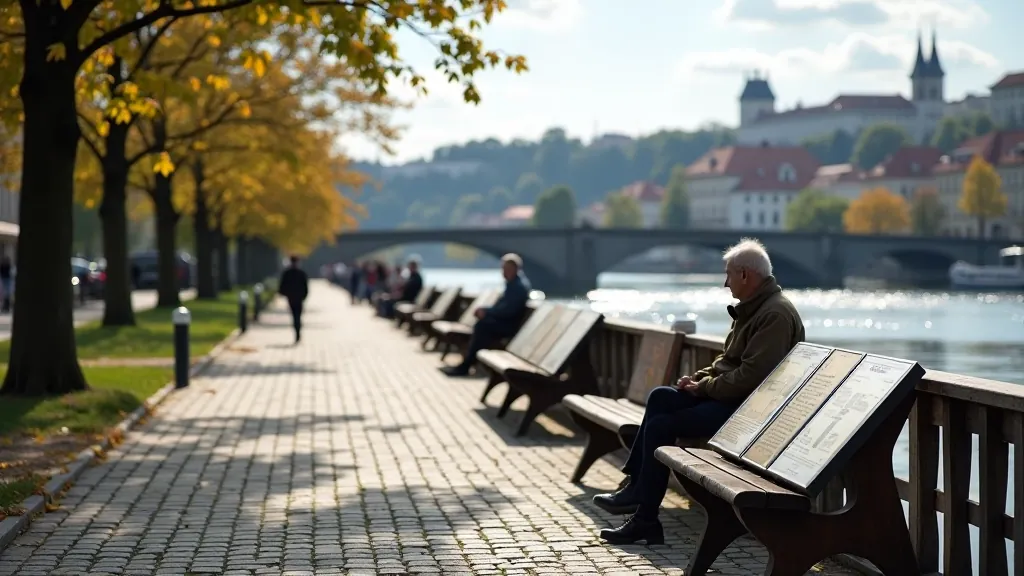
A scenic 3 km downhill route through Prague's most beloved park, featuring cultural landmarks, historic viewpoints, and comfortable rest spots perfect for leisurely exploration.
Petřín Park isn't just Prague's green lung—it's a cultural journey wrapped in nature. The descent from Petřín Tower down to the riverside feels like walking through layers of history. You'll pass observation platforms, historic gardens, and quiet corners where locals come to escape the crowds. What makes this route special? It's the perfect balance of gentle slopes, cultural moments, and genuine breathing room. We're talking manageable elevation, frequent benches, and enough to see that you'll want to return.
The Petřín Funicular runs every 10-15 minutes from the lower station, getting you to 327 meters elevation without the climb. Once at the top, you're standing at Petřín Tower—Prague's 60-meter iron structure inspired by the Eiffel Tower. Don't feel pressured to go inside (it's an extra charge), but the exterior area is worth a few minutes of observation. You can see the castle, the city sprawl, and importantly, you can orient yourself for the descent ahead.
From here, the path is clear. It's well-marked, relatively wide, and the gradient is genuinely gentle—nothing steep or technical. Most retirees we've encountered describe this first 500 meters as "getting the legs ready." You're not racing; you're settling into a rhythm. The park's tree canopy starts immediately, which means summer heat isn't crushing and winter wind isn't biting.
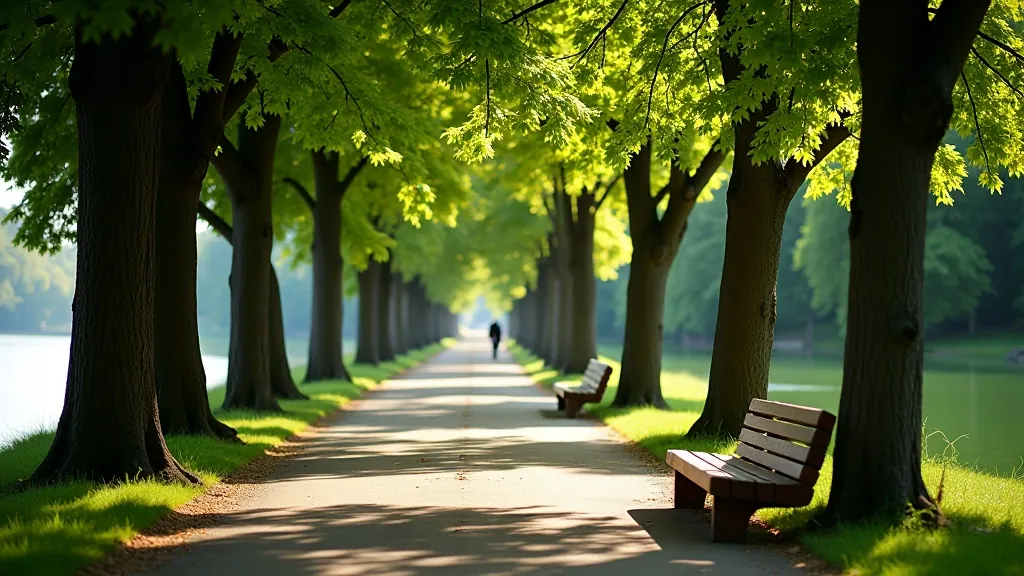
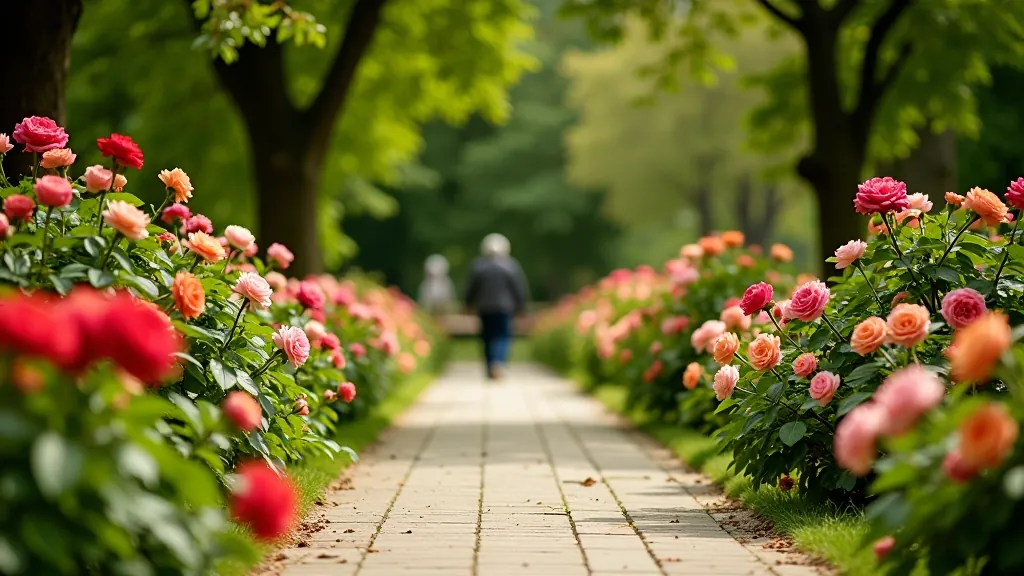
About 400 meters down, you'll encounter the rose garden. It's not massive, but it's genuine. Benches are plentiful here—seriously, you could count at least 8-10 spots to sit. The gradient eases slightly, and the whole area feels designed for lingering. If you're going in spring or early summer, the colors are excellent. Even in autumn, there's something calming about the structure of the place.
This is where many people naturally take their first real break. It's not far enough to feel exhausted, but it's far enough that sitting feels earned. The air shifts here too—you're getting lower in elevation, and Prague's city sounds start mixing with the park's quietness. It's a sensory checkpoint before you continue deeper into the descent.
This article provides informational guidance for planning a walking route through Petřín Park. Route conditions, accessibility, and safety features may change seasonally or due to maintenance. We recommend checking local Prague tourism websites and park updates before your visit. Wear appropriate footwear, bring water, and consider weather conditions. If you have mobility concerns or health conditions, consult with your doctor before undertaking any physical activity.
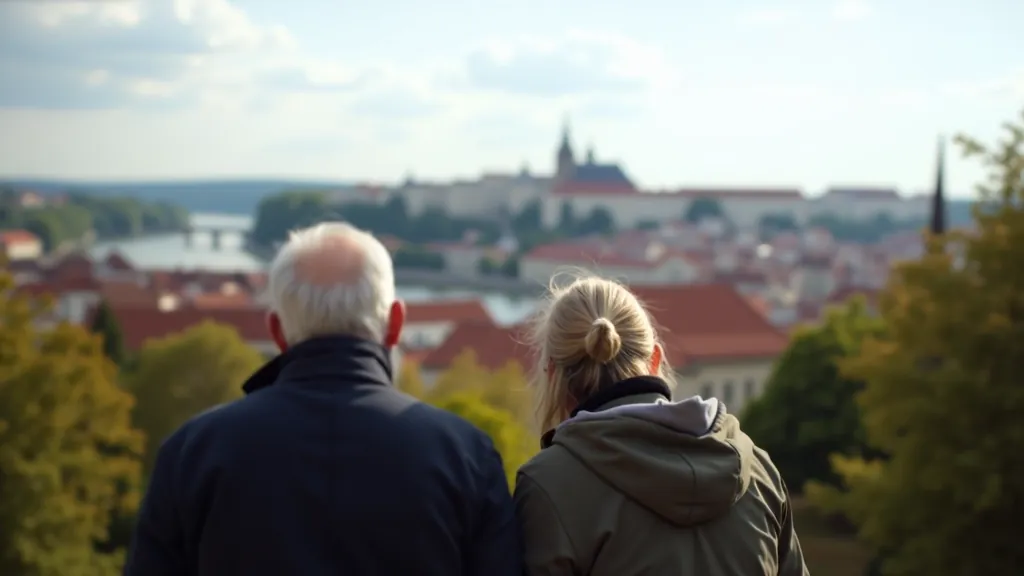
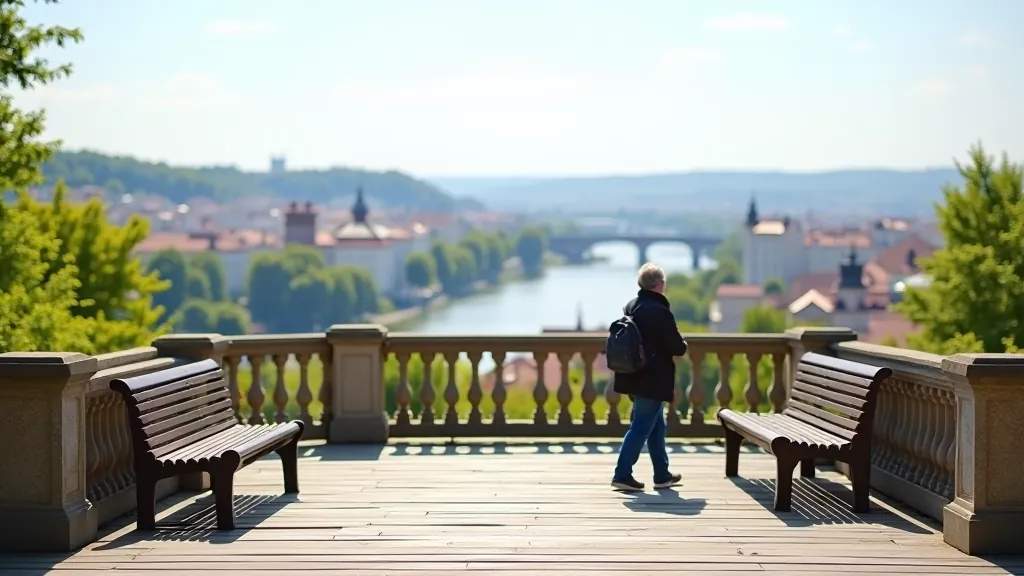
Continuing downward, you'll pass two observation platforms. The first offers views toward the castle; the second gives you the Vltava River perspective. Don't rush through these. Honestly, they're the whole point. You're not climbing for achievement—you're descending to absorb. Each platform has benches, plaques explaining what you're seeing, and enough space to let others pass without feeling crowded.
At this stage, you're roughly 1.5 km into the walk. Your legs haven't complained yet because the slope has been forgiving. The path remains paved and clear. Around you, the park's character shifts—fewer formal gardens, more natural woodland. You'll see locals with dogs, elderly couples sitting quietly, the occasional jogger. It's a lived-in space, not a museum.
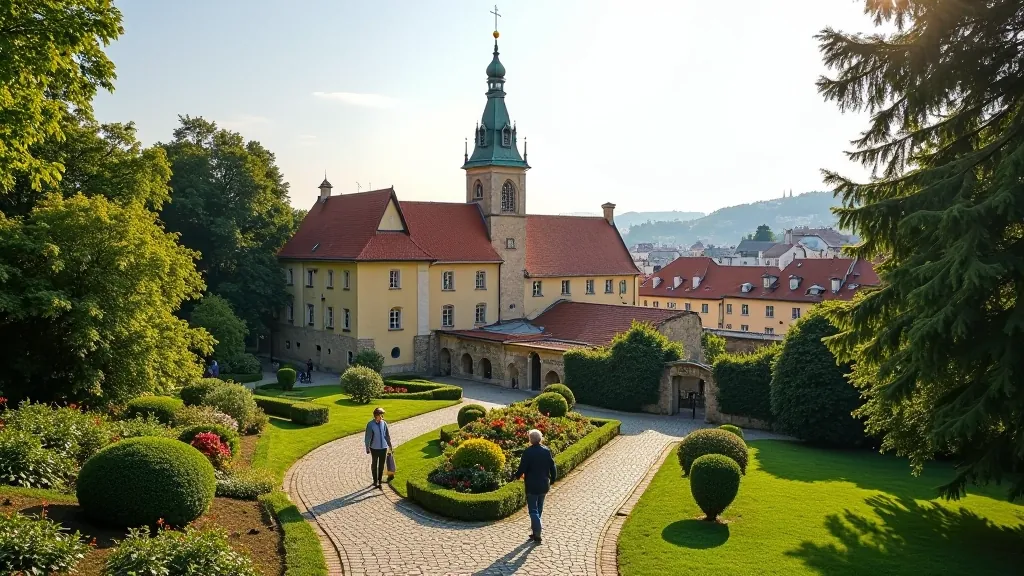
The descent brings you near Strahov Monastery—you won't enter it on this route, but you'll see it. The proximity alone adds weight to the experience. You're walking alongside centuries of Prague's spiritual and intellectual history. The area around the monastery has small gardens, quiet courtyards, and the kind of stillness that makes cities feel different.
What we appreciate here is the absence of commercialization. You're not funneled into a gift shop or charged for photos. It's respectful access to something genuinely important. The benches scattered throughout this section are particularly good—they're positioned to let you sit and actually look at what's around you, not just rest your legs.
By now you're about 2.3 km in, and you're genuinely close to the river. The path continues to descend gradually, and the character shifts toward the natural riverside landscape. You've moved from formal park to cultural zones to something wilder and more organic.
The last 700 meters flatten out noticeably. The park transitions to tree-lined paths with clear Vltava River views. You'll find yourself on riverside promenades where locals actually walk daily—not tourists, just people going somewhere. The benches here are positioned right at the water's edge, and the whole energy shifts. You're no longer descending; you've arrived.
This final section is why the whole route works. It's not about "conquering" anything. It's about moving through layers of Prague—from elevated viewpoints, through cultural spaces, down into the living, breathing riverside where the city actually functions. You can sit by the water for 20 minutes or 2 hours. There's a café nearby if you want something warm. The tram stops are close if you need transport back.
The beauty of this descent is its genuineness. Every element serves a purpose. Every bench exists because people actually use it. Every cultural landmark is there because it matters. You're not walking a theme park—you're experiencing a real neighborhood that happens to be spectacularly beautiful.
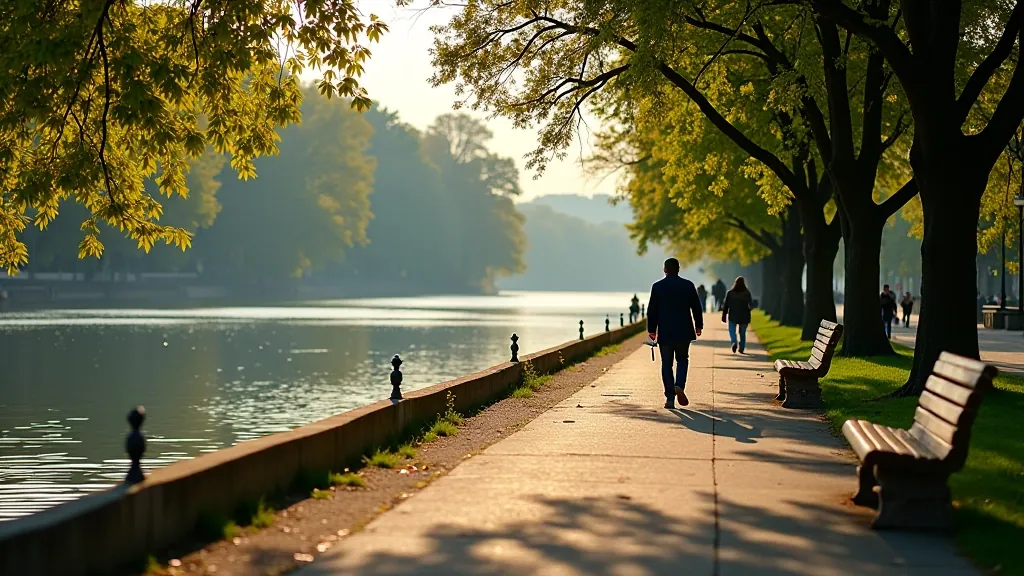
This 3 km route isn't a workout—it's an experience. You're moving through Prague's most authentic green space, encountering history naturally rather than seeking it out. The gentle slopes mean you can actually enjoy the scenery instead of managing exhaustion. The frequent benches mean you can rest whenever something catches your eye, not on a schedule.
Go early if crowds bother you. The rose garden is quieter before 10 AM. Bring water—the descent is gentle but you're still moving. Wear comfortable shoes; the paths are paved but varied. Plan 2-3 hours if you want to actually stop and absorb things. That's the real point here. Not speed. Not distance. Not achievement. Just genuine time in a genuinely beautiful place, descending from the city's green heart to its flowing veins.
You'll likely want to return. Most people do. Because unlike many walking routes, this one doesn't feel like "getting through it." It feels like being somewhere that matters.